
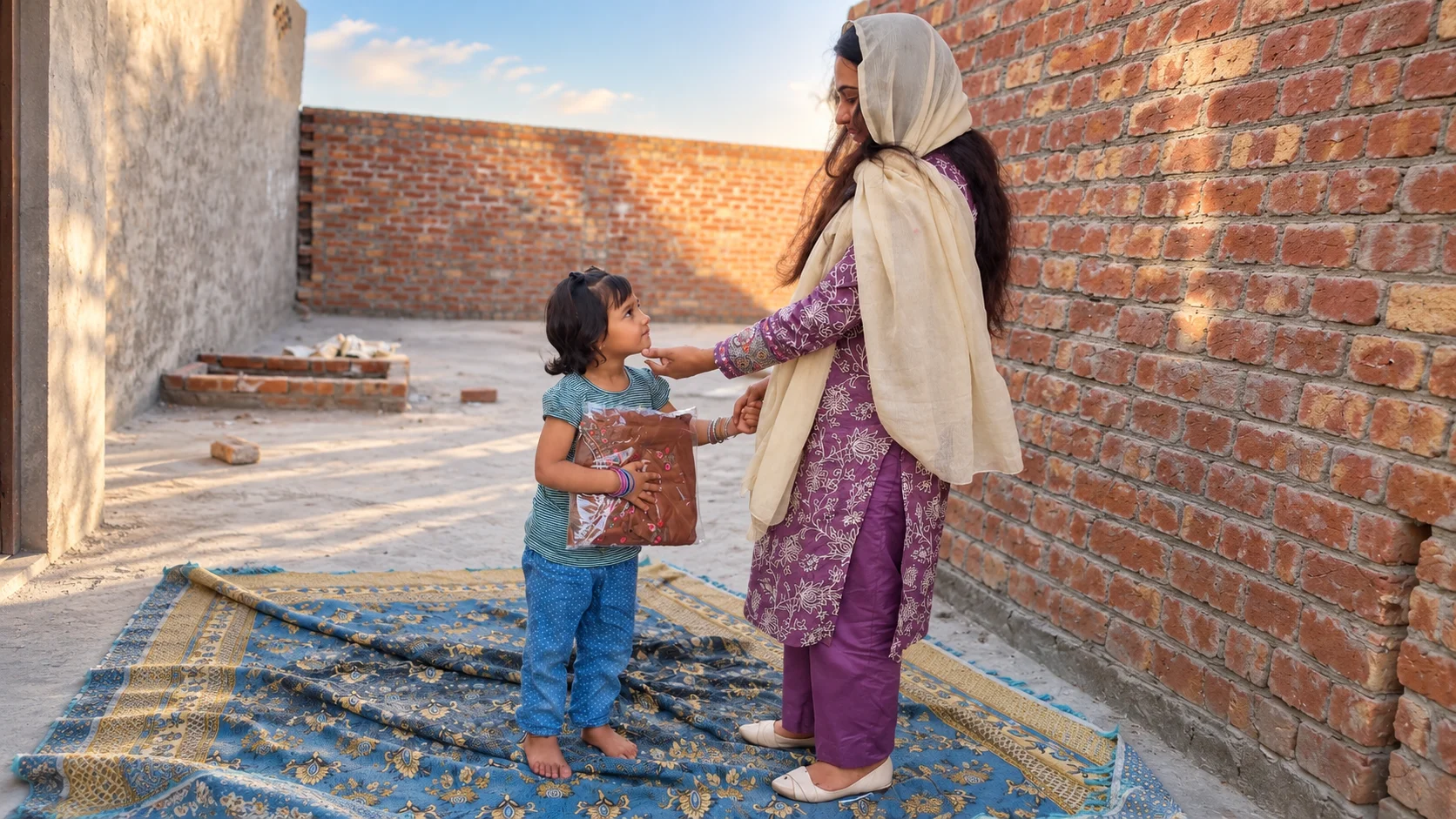
Introduction: Every Child Deserves a Chance
Childhood should be a time of learning, laughter, discovery, and hope. Every child deserves the opportunity to attend school, enjoy good health, feel safe, and dream about the future. Yet, for many children living in poverty, everyday life brings challenges that are difficult for others to see.
Behind a child's quiet face may be worries about school fees, a shortage of food at home, a lack of proper clothing, or the fear of being unable to continue education. While some children spend their days learning, playing, and exploring their interests, others must confront difficulties that can make even the simplest parts of childhood challenging.
Poverty is not only about a lack of money. It can also mean limited access to education, healthcare, nutritious food, safe housing, emotional support, and opportunities for personal development.
Understanding these hidden struggles is the first step towards building a society where every child has the opportunity to grow, learn, and reach their potential.
1. Barriers to Education
For families struggling to meet their basic needs, school fees and other educational expenses can become a significant burden. Even when tuition is affordable or free, children may still need uniforms, shoes, books, stationery, transportation, and other supplies.
Some children miss classes because their families cannot afford these essentials. Others may leave school to help their parents earn an income, care for younger siblings, or manage household responsibilities.
When children miss educational opportunities, they risk falling behind in their studies and losing confidence in their abilities. Over time, interrupted education can limit their future choices.
Every child deserves the chance to learn, regardless of their family's financial circumstances. Providing school supplies, financial assistance, learning support, and encouragement can help children remain in school and work towards their goals.
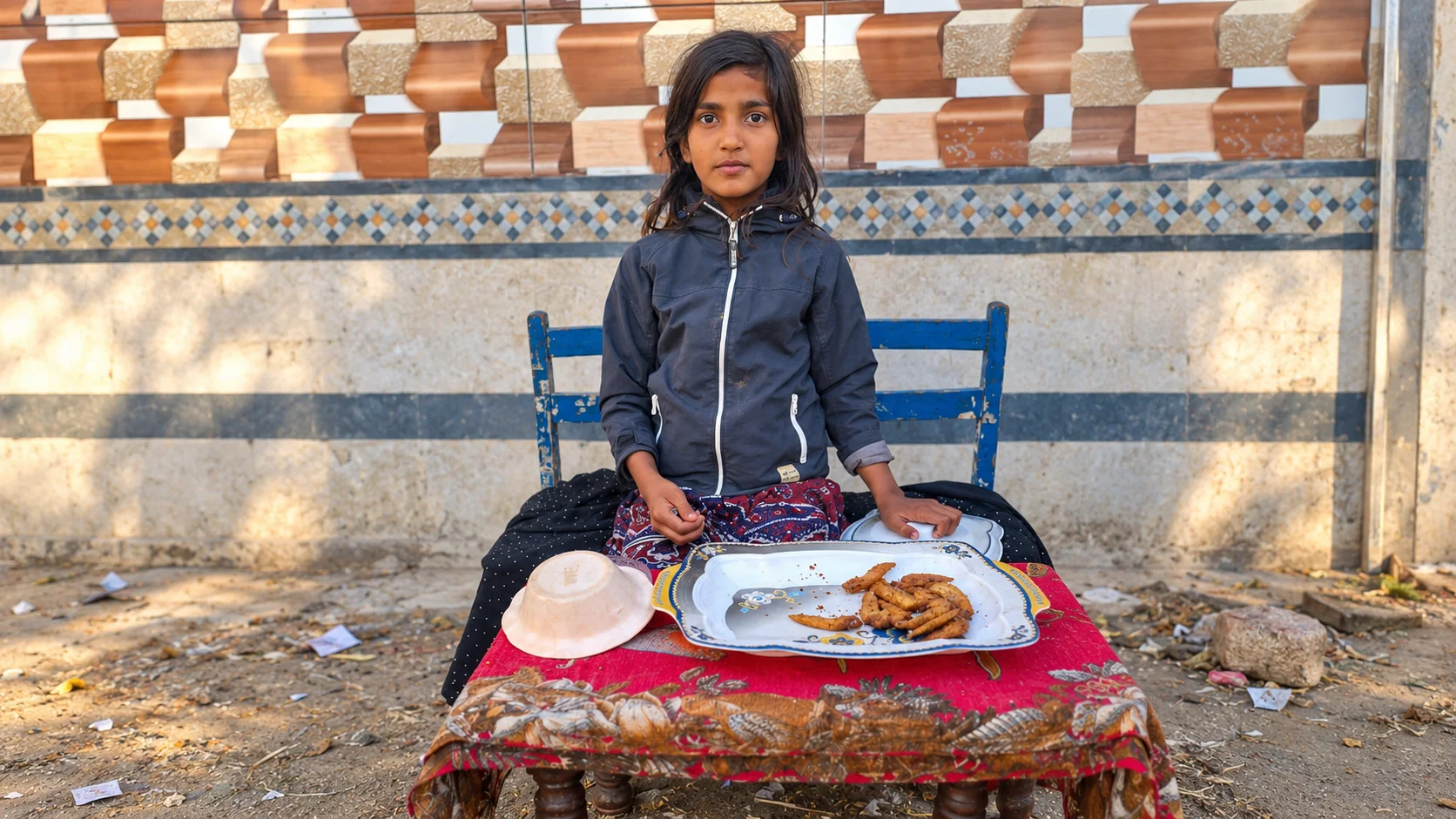
2. The Impact on Physical Health and Nutrition
A child's development depends on adequate nutrition, healthcare, clean water, and a safe environment. Unfortunately, families experiencing poverty may struggle to access these necessities consistently.
When nutritious food is difficult to afford, children may not receive the balanced diet they need to grow and learn. Delayed medical attention, limited access to healthcare, and inadequate living conditions can create additional challenges.
Poor health can also affect education. A child who is hungry, unwell, or exhausted may find it harder to concentrate in class, participate in activities, and complete schoolwork.
Supporting children means looking beyond the classroom. Access to nutritious food, essential healthcare, hygiene resources, and appropriate family support can help create healthier conditions for childhood development.
3. Emotional and Psychological Struggles
Children may feel anxious when they see their parents worrying about household expenses. They may feel embarrassed when they cannot afford the same school supplies or clothing as their classmates. Some may experience exclusion, bullying, or feelings of being different from other children.
Others may carry responsibilities beyond their years, particularly when family circumstances require them to help with caregiving or household income.
These experiences can affect a child's confidence, sense of security, and emotional well-being. However, every child responds differently, and poverty does not determine a child's personality, abilities, or future.
Children need more than financial assistance. They need adults who listen without judgment, teachers who encourage them, communities that treat them with dignity, and safe environments where they can express their feelings.
A kind conversation, a supportive teacher, or a trusted adult can help a child feel valued and understood.
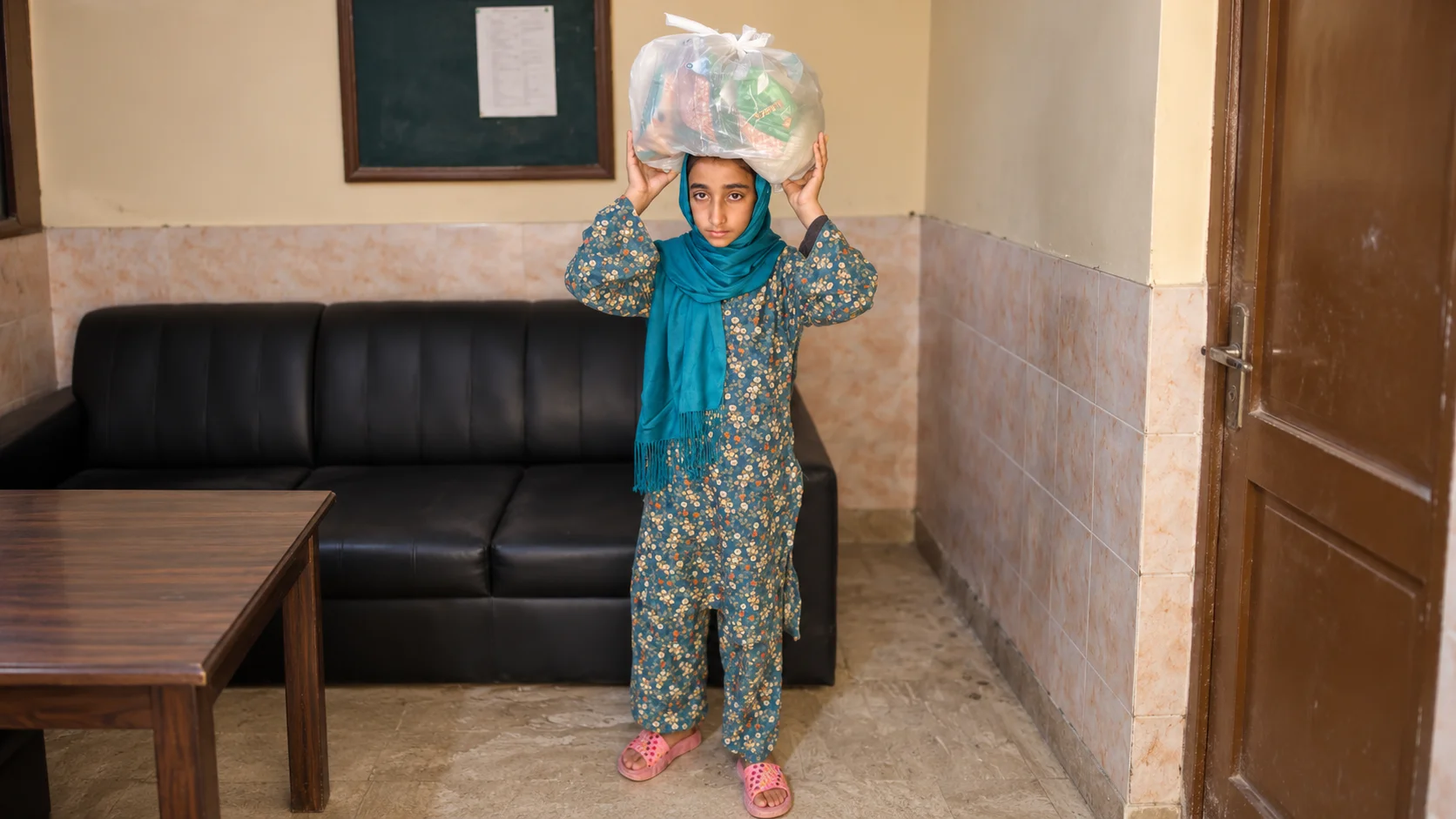
4. Losing the Freedom to Enjoy Childhood
Yet children facing economic hardship may have fewer opportunities to participate in recreational activities. Some have to work, perform extensive household duties, or care for younger family members instead of spending time learning and playing with their peers.
Child labour is a particularly serious concern when economic pressure pushes children into work that is hazardous, exploitative, or interferes with their education and development.
Families facing these circumstances often need practical support rather than blame. Helping households meet essential needs, supporting children's education, and connecting families with appropriate services can reduce pressures that place children's well-being at risk.
Children should not have to sacrifice their safety, education, or childhood because their families are struggling financially.
5. The Burden on Parents and Families
A parent may have to choose between paying school expenses, buying groceries, purchasing medicine, or covering rent and utilities. These decisions can create considerable stress, particularly for single-parent households, widowed caregivers, and families without stable employment.
When household resources are stretched, children's needs may go unmet even when their parents deeply value education and want the best for them.
This is why helping children also means supporting their families. Livelihood opportunities, vocational training, food assistance, educational grants, and access to essential services can ease financial pressure and help households work towards greater stability.
Supporting a family can create an environment in which children have more opportunities to learn, feel secure, and plan for their future.
6. How Communities Can Make a Difference
Here are some practical ways to support children experiencing hardship:
Support education: Help families meet school fees and the costs of books, uniforms, stationery, shoes, and transportation.
Provide essential resources: Contribute nutritious food, appropriate clothing, hygiene supplies, and other necessities according to assessed needs.
Support caregivers: Encourage livelihood opportunities and skills training that can help families work towards more stable incomes.
Promote emotional well-being: Create safe, welcoming environments where children feel respected, included, and encouraged.
Protect children's rights: Raise awareness of child protection, safe learning environments, and the importance of preventing harmful child labour.
Encourage community participation: Work with local schools, community representatives, and responsible organisations to identify children who need assistance.
Follow up on support: Check whether assistance is helping children attend school, access essential resources, and continue their learning.
Effective support should be based on genuine needs, delivered transparently, and provided in ways that protect children's dignity, privacy, and safety.
7. The Role of CGF Pakistan in Supporting Vulnerable Children
Our community-focused work includes supporting vulnerable children with educational needs and helping families facing financial hardship. Depending on assessed needs and available resources, educational assistance can include school fees, uniforms, shoes, stationery, and other learning-related expenses.
We recognise that every family has different circumstances. That is why understanding community needs and identifying vulnerable households are important parts of our approach.
Our broader community work also includes support for widows, livelihood initiatives, and assistance to families affected by emergencies. These efforts reflect our belief that helping communities become more resilient can also help children access better opportunities.
We know that lasting change takes time, collaboration, and consistent effort. By working together with communities and supporters, we aim to help create opportunities for children who might otherwise face barriers to education and development.
Learn more about our work and programmes at cgfpk.org.
Conclusion: Every Child's Future Matters
A child living in poverty is not defined by their circumstances. Every child has individual talents, dreams, abilities, and potential. What they may lack is not ambition, but access to the resources and opportunities that can help them succeed.
A school uniform can help a child feel ready for class. Books and stationery can support learning. Assistance with school expenses can help a family keep a child in education. Support for caregivers can ease some of the pressures that affect family life.
These contributions may seem small individually, but when they respond to genuine needs, they can make a meaningful difference.
We cannot solve every challenge overnight, but we can choose to respond with compassion, practical support, and a commitment to equal opportunity.
Every child deserves to learn without being held back by poverty. Every child deserves to feel safe, valued, and hopeful. And every child deserves the opportunity to build a brighter future.
Let us work together to create communities where children are not limited by the circumstances into which they are born, but are supported to become everything they have the potential to be.
Together, we can help turn compassion into lasting change.
Community Comments (0)
No published comments yet. Be the first to share your thoughts!
Leave a Comment
Your email address will not be published. Required fields are marked *